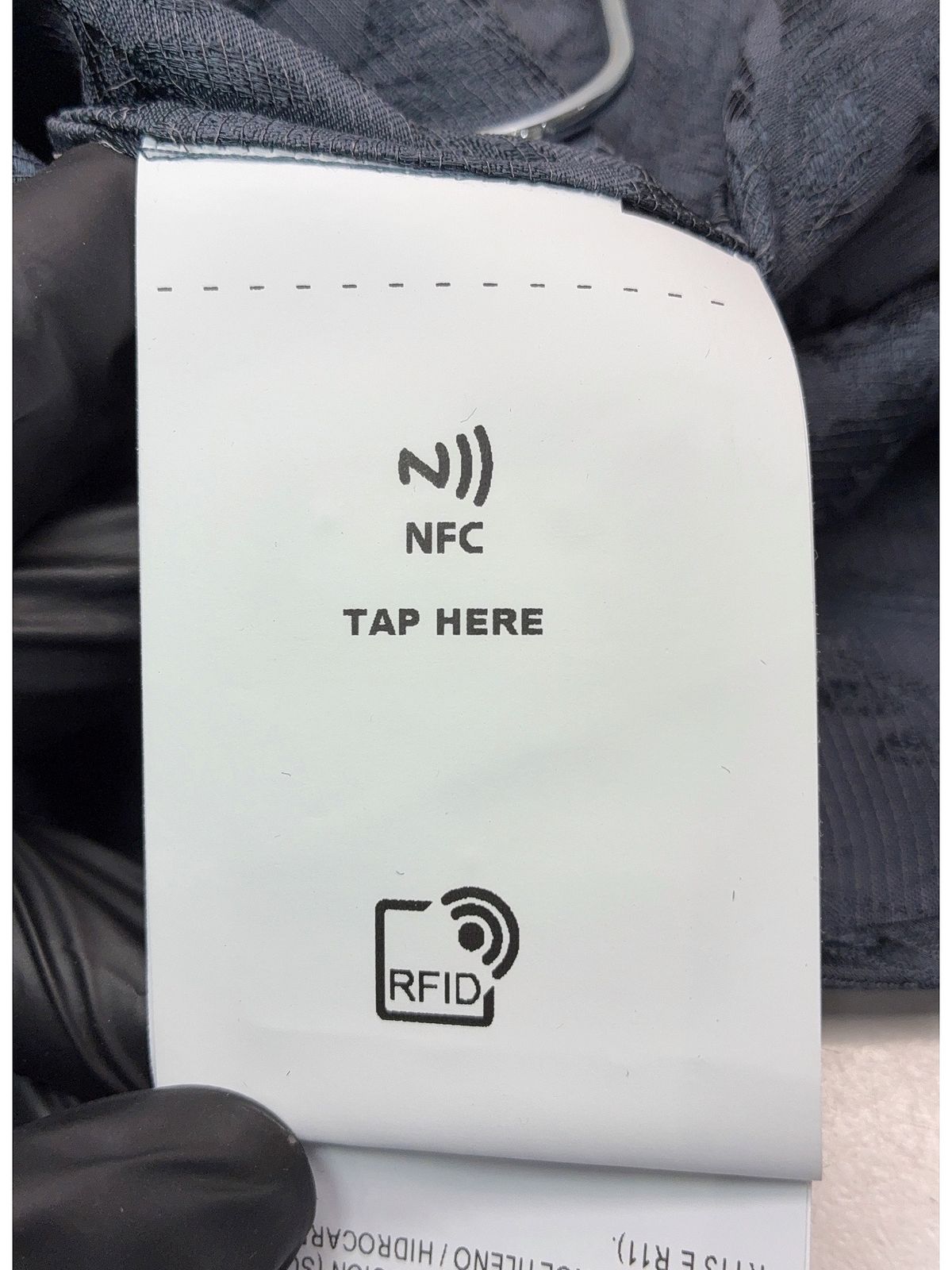
A consumer picks up a handbag in Milan, taps the tag with a phone, and sees the product’s origin, materials, carbon footprint, repairability score, and ownership history, all verified, all standardised. That tap reads a Digital Product Passport. The EU regulation behind it takes effect from 2027, and the data each passport must carry will determine whether a brand is compliant, competitive, or caught off guard.
Why the Digital Product Passport Needs a Clear Data Framework
The regulation does not leave data selection to chance. Several forces are converging:
- EU Ecodesign for Sustainable Products Regulation (ESPR) mandates product-level transparency across categories, starting with textiles, batteries and electronics.
- AGEC law (France, already in force) requires traceability and environmental disclosure for goods sold on the French market — a precursor to broader EU rules.
- Consumer demand for provenance and sustainability claims backed by evidence, not marketing copy.
- Grey market and counterfeiting losses running into billions annually across luxury, spirits, and cosmetics — making authentication data a commercial necessity, not a compliance afterthought.
- Retailer and distributor requirements increasingly filtering suppliers by data readiness.
Brands that treat the DPP as a checkbox exercise will publish the minimum. Brands that treat it as infrastructure will embed data that protects revenue, builds trust, and outlasts the first audit cycle.
What a Digital Product Passport Actually Means for Physical Goods
A Digital Product Passport is a structured, item-level digital record linked to a single physical product. It carries standardised data about that product’s identity, composition, origin, environmental impact, and end-of-life options. The passport travels with the product across its entire lifecycle from factory floor to consumer, through resale or recycling.
The critical distinction: a DPP is not a product page or a marketing microsite. It is a regulated, machine-readable data carrier tied to one serialised unit, not a SKU, not a batch, but one item.
The data must be accessible via a digital link on or in the product. NFC tags, QR codes, or UHF markers serve as the physical bridge between the object and its passport.
Data Categories Every Digital Product Passport Should Include
The regulation defines broad data categories. Implementation requires specificity. Below is a practical breakdown of the data fields brands should plan for, mapped to the ESPR framework and current delegated acts.
Mandatory Identification Data
| Data Field | Description | Example |
|---|---|---|
| Unique product identifier | Serialised ID at item level | UUID or GS1 Digital Link |
| Manufacturer identity | Legal name, registered address, facility | Selinko NV, Belgium |
| Product model / SKU | Commercial reference | Model X-200, Ref. 4451 |
| GTIN / batch / lot | Standard trade identification | GTIN-14 + lot code |
| Date of manufacture | Production timestamp | 2026-09-14 |
| Country of origin | Final assembly or production location | Italy |
Material Composition and Substance Data
This layer answers: what is the product made of, and does it contain substances of concern?
- Full bill of materials (BoM) at a level proportionate to the product category.
- SCIP database declarations for substances of very high concern (SVHC).
- Percentage of recycled content by weight.
- Presence of restricted chemicals (REACH compliance).
Environmental and Circularity Data
- Carbon footprint (cradle-to-gate or cradle-to-grave, depending on category).
- Energy consumption during use phase (where applicable).
- Durability and repairability scores.
- Disassembly instructions or recycling pathway.
- Expected product lifespan.
Supply Chain and Provenance Data
- Key transformation steps (tanning, weaving, assembly, finishing).
- Supplier certifications (ISO 14001, FSC, GOTS, etc.).
- Chain-of-custody records for critical raw materials.
Authentication and Integrity Data
- Cryptographic proof of origin (e.g., digitally signed tag data).
- Anti-tampering indicators.
- Ownership transfer history.
How NFC Delivers the Passport at Item Level
Embedding a DPP requires a physical-digital bridge that survives the product’s lifecycle. NFC is the most practical option for premium goods. Here is how the process works:
- Tag encoding at production. Each NFC tag receives a unique digital identity during manufacturing typically on the production line using dedicated hardware. The tag is linked to the product’s passport record in the cloud platform.
- Data population. The passport is populated with material, environmental, and provenance data either manually or via integration with ERP, PLM, and supply chain systems.
- Embedding. The NFC tag is physically integrated into the product: sewn into a garment, placed inside a bottle cap, embedded in a watch case, or bonded to packaging.
- Consumer access. Any NFC-enabled smartphone (iOS or Android) reads the tag with a tap. No app download required the passport opens in the browser or via native App Clip / Instant App.
- Lifecycle updates. The passport can be updated post-sale: ownership transfers, repair records, resale authentication, end-of-life instructions. The tag remains the constant link.
NFC vs. Serialised QR: Choosing the Right Carrier
Both technologies can deliver a Digital Product Passport. The right choice depends on the product category, price point, and security requirement.
| Criterion | NFC | Serialised QR Code |
|---|---|---|
| Authentication strength | High — cryptographic chip, hard to clone | Lower — image can be copied or reprinted |
| Durability | Embedded, survives wear and use | Surface-printed, vulnerable to abrasion |
| Consumer interaction | Tap (no camera, no app) | Scan (requires camera app) |
| Cost per unit | Higher (tag + encoding) | Lower (print only) |
| Data capacity on carrier | Moderate (URL + crypto signature) | Moderate (URL-based) |
| Best fit | Luxury, spirits, watches, leather goods | FMCG, packaging, lower-price-point textiles |
For categories where brand protection and anti-counterfeiting matter as much as compliance, NFC provides both the regulatory data layer and a tamper-resistant authentication layer in a single tag.
Digital Product Passport Data by Segment
Different product categories face different delegated acts and different commercial realities. The data emphasis shifts accordingly.
- Wine and spirits
Origin, grape/grain provenance, bottling date, allergen data, alcohol content, lot traceability. Authentication is critical for single malts, aged spirits, and limited editions where counterfeiting is endemic. - Luxury fashion and leather goods
Material sourcing (leather tannery, textile mill), SVHC declarations, repairability instructions, ownership history for resale authentication. The DPP doubles as a certificate of authenticity. - Cosmetics and fragrance
Ingredient lists (INCI), batch-level allergen data, packaging recyclability, cruelty-free certifications. Regulatory alignment with both ESPR and existing cosmetics regulation (EC 1223/2009). - Watches and jewellery
Precious metal provenance, conflict mineral declarations (EU Conflict Minerals Regulation), serial-level service history, warranty status. - Furniture
Wood origin and FSC certification, flame retardant declarations, disassembly and recycling instructions, expected lifespan, repairability score.
What Brands Gain from a Well-Structured Passport
A Digital Product Passport built on complete, accurate, item-level data delivers measurable outcomes:
- Regulatory readiness: Compliance with ESPR, AGEC, and category-specific delegated acts before enforcement deadlines.
- Counterfeit and grey market defence: Cryptographic authentication at the unit level, verifiable by any stakeholder in the chain.
- Consumer trust: Transparency backed by data, not by claims, accessible with a single tap.
- Resale and circular economy enablemen: Verified product history supports second-hand markets and take-back programmes.
- Operational intelligence: Item-level data flowing back from the field informs quality, logistics, and product development.
The brands that start structuring their data now: mapping fields, integrating systems, encoding tags at production, will be ready when the regulation lands. The ones that wait will be retrofitting under pressure.
Prepare for DPP
Selinko has spent over 12 years building the infrastructure that connects physical products to their digital identities, protecting more than EUR 1.5 billion in product value for 40+ brands. If your team is planning its DPP data architecture, get in touch
Get in Touch