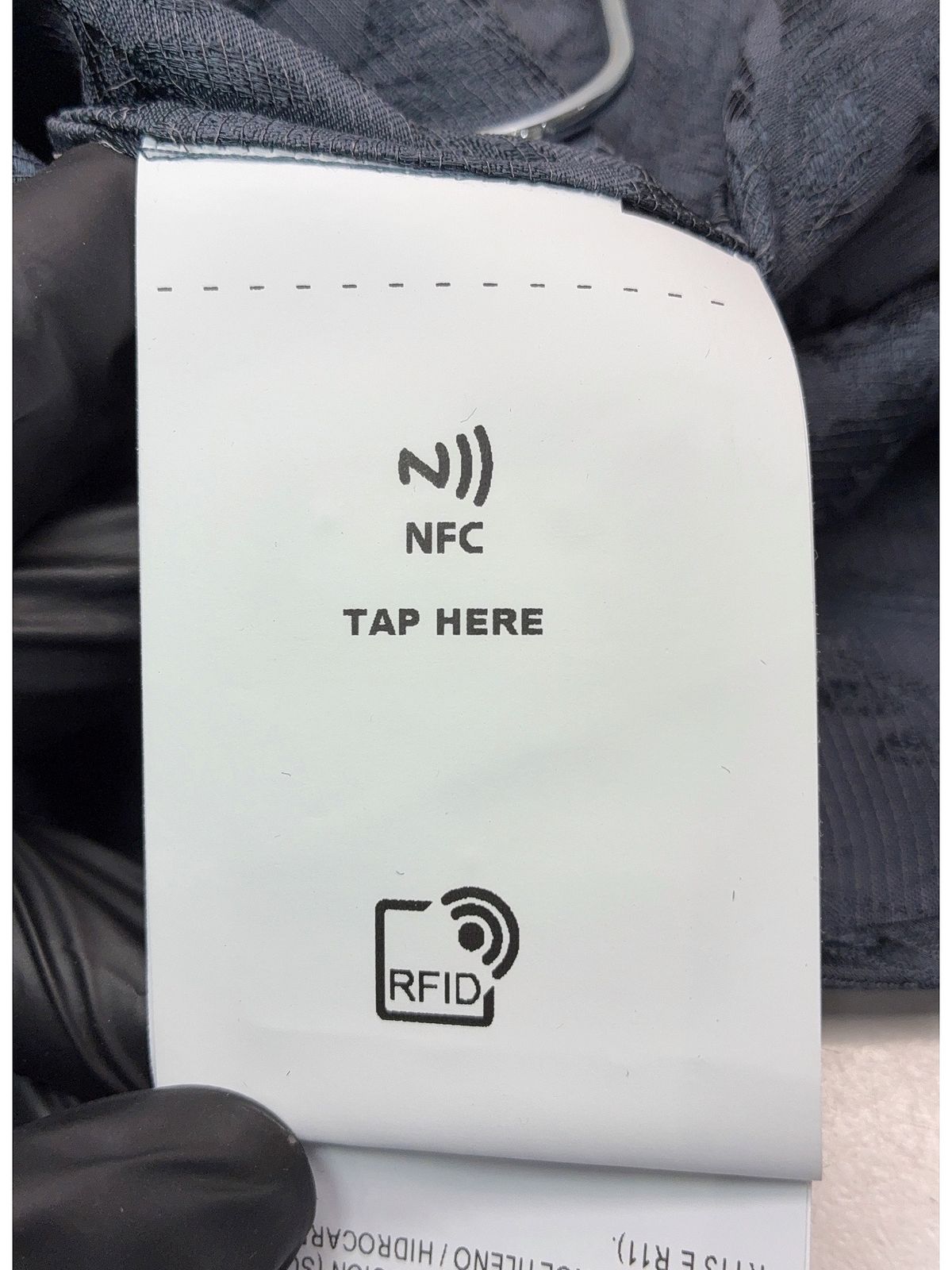
Luxury supply chains have operated on controlled opacity for decades. The origin story has been curated, the supplier relationships carefully managed, the environmental narrative shaped by communications teams rather than data systems. The EU Digital Product Passport does not ask luxury brands to tell a better story. It asks them to produce verified data and make it accessible from the product itself, to anyone with a smartphone.
- Before DPP: Curated narrative
Origin stories crafted by brand teams. Supplier relationships known to procurement but not traceable from the product. Sustainability claims made at brand level. Consumers take the brand’s word for provenance. - After DPP: Verified product-level data
Material composition verifiable from the item. Supplier traceability linked to the specific product. Environmental footprint documented and accessible. Regulators, consumers, and resale platforms can all query the same record
Why Luxury Is More Exposed to DPP Requirements Than Most Sectors Assume
The structural irony of luxury DPP exposure: The very characteristics that define luxury exceptional materials, complex multi-tier craftsmanship supply chains, long-established supplier relationships are precisely the characteristics that make DPP data sourcing hardest. A mass-market brand with three consolidated supplier factories has a simpler data collection problem than a heritage house sourcing from fifty specialist ateliers across five countries, many of them generational family businesses with no digital data infrastructure whatsoever.
Five Supply Chain Challenges the DPP Creates for Luxury Brands
- Supplier data digitisation at multi-tier depth
The hardest data sourcing problem in luxury
A luxury leather goods brand may have a clear picture of its tier-1 suppliers, the tanneries, hardware manufacturers, and ateliers it contracts directly. But the DPP’s material composition and origin requirements reach into tier-2 and tier-3: the livestock farms whose hides the tannery uses, the mines producing the metals for the hardware, the chemical suppliers whose dyes are in the leather finish. Most luxury brands have never mapped this supply chain in full, and many of the suppliers at these tiers have no digital systems capable of producing the data the DPP requires in the format it requires it.Operational implication: Luxury brands face a supplier development programme training, supporting, and in some cases partially funding the digitisation of deep-tier suppliers before the DPP data collection problem can even be framed as a technical challenge. This is a 2–4 year programme for most large luxury houses, and a 12–18 month programme even for brands with more consolidated supply chains. It needs to start now.
- Environmental footprint calculation at product level
From brand-level claims to item-level data
Luxury brands have made environmental commitments at the corporate level for years net zero targets, renewable energy pledges, responsible sourcing policies. What the DPP requires is different in kind: a product-level carbon footprint for each specific item, calculated according to a standardised methodology, verifiable by an independent third party, and accessible from the product itself. The gap between a corporate sustainability report and a product-level footprint calculation is not a communication gap it is a data and methodology gap that requires investment in measurement infrastructure across the supply chain.Operational implication: Product-level footprint calculation requires data from every production stage raw material extraction, processing, component manufacture, assembly, logistics. For luxury brands with complex multi-material, multi-country supply chains, this is a significant measurement project. Life Cycle Assessment methodology (ISO 14040/14044) or Product Environmental Footprint (PEF) methodology as specified in the relevant ESPR delegated act will need to be applied consistently across the product range.
- Chemical and substance compliance documentation
From REACH declarations to product-level records
Luxury goods involve a wide range of chemical inputs: dyes and finishing agents in leather and textiles, adhesives in footwear and bags, metal treatments and platings in hardware, preservatives and coatings in packaging. The DPP requires documentation of restricted substance content under REACH, RoHS for relevant electronics components, and the ESPR’s own substance restrictions, at a product-specific level. For luxury brands that have been managing substance compliance as a periodic batch-level exercise through their quality teams, this represents a shift to continuous, product-level documentation that must be sourced from suppliers for every production run.Operational implication: Chemical substance compliance documentation needs to be integrated into the product identity record at production, not managed separately in quality systems and attached to the DPP as an annual update. This requires supplier-facing substance declaration workflows that feed into the product data system in real time, not periodic REACH compliance audits.
- Repairability and spare parts infrastructure documentation
The DPP requirement that reveals after-sales investment gaps
The DPP requires repairability information, what can be repaired, by whom, with what spare parts, for how long. For luxury brands with well-developed after-sales and repair programmes, this data exists but needs to be structured and linked to each product’s DPP record. For brands where after-sales has been an underdeveloped commercial function, the DPP creates a data disclosure requirement that simultaneously exposes the adequacy of the after-sales programme itself. The regulation does not require luxury brands to have a world-class repair infrastructure, but it requires them to document what they do have, and that documentation will be visible to consumers and potentially to regulators comparing brands within the same product category.Operational implication: The DPP is a catalyst to formalise and invest in after-sales infrastructure that luxury brands should be building anyway for commercial reasons — repair services, spare parts programmes, and refurbishment capabilities are increasingly important to secondary market participation, circular economy positioning, and long-term brand loyalty. The compliance disclosure is an accountability mechanism that accelerates an investment brands should want to make independently.
- Data governance across a multi-party supply chain
Who owns, verifies, and updates the product record
A DPP is not published once at manufacture and then left static. As products move through their lifecycle through distribution, retail, consumer ownership, service, and resale, the data record needs to be updated and maintained by authorised parties at each stage. Determining who can write to the product record at each lifecycle stage, who validates that the data is accurate, and how discrepancies or corrections are managed requires a governance architecture that most luxury brands have never needed to build before. The challenge is compounded by the involvement of third-party retailers, authorised repair centres, resale platforms, and potentially customs authorities, each of which needs defined access rights and data responsibilities.Operational implication: DPP governance is a contract and process design problem as much as a technology problem. Luxury brands need to define data ownership and update rights across their full partner ecosystem before deploying DPP infrastructure — or the deployed system will have accuracy and auditability gaps that undermine its regulatory validity.
The Transparency Shift: What Changes and What Is Protected
The DPP’s data disclosure requirements do not mean luxury brands must make their supplier lists publicly visible. The regulation is explicit about this: different data fields are accessible to different audiences through a tiered access architecture, and commercially sensitive supplier information can be protected at the appropriate tier.
What consumers see via a product tap is product identity, material composition in general terms, care instructions, repairability guidance, and end-of-life information. What authorised supply chain partners see recyclers, repair centres, authorised retailers is more detailed material data and component specifications. What regulators can access for compliance verification is the full documentation set. The tiers are separated by access credentials, not by physical separation of the data.
- Consumer tier
Product story, care, and sustainability summary: Material type and origin at a general level (Italian full-grain leather, French cotton canvas), care and cleaning instructions, repair service access, recyclability guidance, and brand sustainability context. Specific supplier names, production facility addresses, and detailed chemical substance data are not in the consumer-visible tier. - Partner tier
Technical material and component data: Detailed material composition, component specifications, spare parts references, disassembly guidance for repair centres, and substance declarations relevant to professional repair or recycling operations. Accessible by authorised partners with credentials, recyclers, repair centres, authorised retailers not publicly browseable. - Regulator tier
Full compliance documentation: Complete substance declarations, REACH compliance documentation, environmental footprint calculations and methodology, full supplier traceability chain, test reports, and certification records. Accessible by market surveillance authorities for compliance verification not visible to consumers or the general public.
The narrative opportunity within the transparency requirement: The DPP does not merely impose disclosure obligations it creates a structured, brand-controlled channel for telling the product’s verified story to a consumer who is actively looking for it. A consumer who taps a luxury bag to access its DPP is the most engaged, most credible audience the brand has: they are holding the product, they have chosen to tap, and the context is entirely brand-governed. For luxury brands that have invested genuinely in responsible sourcing and sustainable production, the DPP is the mechanism that makes those investments visible and verifiable not just assertable.
Why Luxury Brands Already Deploying NFC Are Starting Ahead
The anti-counterfeiting integration no other DPP carrier provides: A luxury brand that uses NFC as its DPP data carrier gets product authentication at no additional per-unit cost. When a customs inspector, a resale platform, or a consumer taps the product to access DPP data, the same interaction verifies that the product is genuine a counterfeit cannot generate the valid cryptographic response that a genuine NFC chip produces. No other DPP-compliant data carrier printed QR code, datamatrix barcode, RFID label provides this capability. For luxury goods where counterfeiting causes billions in annual losses, this integration of DPP compliance and authentication infrastructure is one of the strongest commercial arguments for choosing NFC over alternatives.
The Three Opportunities Hidden Inside DPP Compliance
How Luxury Brands Should Prepare: A Sequenced Approach
The preparation for DPP compliance in luxury is not a single project it is a sequenced programme of supply chain engagement, data infrastructure, and product identity deployment that needs to begin before the delegated act is adopted, not after. The following sequence reflects what leading luxury brands are doing now.
- Map the supply chain to the tier depth the DPP requires: For most luxury brands, a complete supply chain map to tier-2 (component suppliers) and directionally to tier-3 (raw material suppliers) does not exist in a queryable form. Creating it is the first task not as a theoretical exercise but as a data collection programme that identifies each supplier, their location, their data capabilities, and the gap between what they can currently provide and what the DPP will require. This mapping exercise typically reveals suppliers at deep tiers that the brand had not formally engaged with, and identifies the data development investment those suppliers will need.
- Engage suppliers on data capability and development requirements: Many luxury suppliers particularly specialist artisans, family tanneries, and generational craft businesses have no digital data infrastructure capable of producing the formatted, machine-readable material composition and footprint data the DPP requires. Luxury brands need to define what data they need from each supplier tier, in what format, and then develop a support programme training, tooling, potentially partial funding that enables those suppliers to produce it. This is the supply chain relationship dimension of DPP compliance that most compliance programmes underestimate.
- Commission product-level environmental footprint calculations: Product-level footprint calculation under Life Cycle Assessment or Product Environmental Footprint methodology requires data from every stage of production and a systematic calculation methodology. For luxury brands with complex supply chains, this is typically a 12–18 month project to scope and execute for the first time with ongoing update requirements as production inputs, suppliers, and logistics change. Beginning this project before the delegated act is adopted means having verified figures ready when the DPP goes live rather than rushing to calculate under compliance deadline pressure.
- Select and deploy the DPP data carrier and choose it strategically: The choice of DPP data carrier, NFC chip embedded in the product versus QR code on the label, is not merely a technical decision. For luxury goods, NFC embedded in the product provides authentication, tamper evidence, and supply chain intelligence alongside DPP compliance, from the same per-unit infrastructure. A QR code on the label provides only the data delivery function and can be separated from the product, photographed and applied to a counterfeit, and discarded with the packaging. The incremental cost of NFC over QR is modest relative to per-unit margin in luxury; the incremental capability is substantial.
- Build the product data backend and access-tier architecture: The DPP’s tiered access model different data visible to consumers, partners, and regulators requires a backend that manages access credentials, returns the appropriate data view for each querying actor, and keeps the record current as the product moves through its lifecycle. For brands already operating a connected product platform for authentication and engagement, this capability is already present or easily extended. For brands building from scratch, this is the most technically complex element of the compliance programme and the one that most benefits from choosing a platform provider with existing DPP integration capability.
The timeline arithmetic: A luxury brand beginning DPP preparation in 2026 with an 18-month supply chain data programme, a 12-month footprint calculation project, and a 9-month infrastructure deployment will have compliant infrastructure available by late 2027 or early 2028 broadly aligned with expected textiles DPP implementation timing. A brand that waits for the delegated act to be adopted before beginning will be 18–24 months behind schedule relative to the compliance deadline. The work has a fixed lead time. The regulatory clock does not negotiate on that.
DPP Compliance and Authentication in One Infrastructure.
Selinko’s connected product platform gives luxury brands the item-level identity, lifecycle record, and NFC data carrier that the EU Digital Product Passport requires combined with the authentication, grey market detection, and consumer engagement that makes the same infrastructure commercially valuable from day one.
FAQs
What is a Digital Product Passport (DPP)?
A Digital Product Passport is a digital record that stores product information such as origin, materials, authenticity, repair history, and sustainability data throughout its lifecycle.
Why is the Digital Product Passport important for luxury brands?
It helps luxury brands improve product traceability, fight counterfeiting, meet regulations, and build greater trust with customers.
How does a Digital Product Passport improve supply chain transparency?
It gives brands and consumers access to verified product information from manufacturing to resale, making every step of the supply chain more transparent.
Get in Touch


