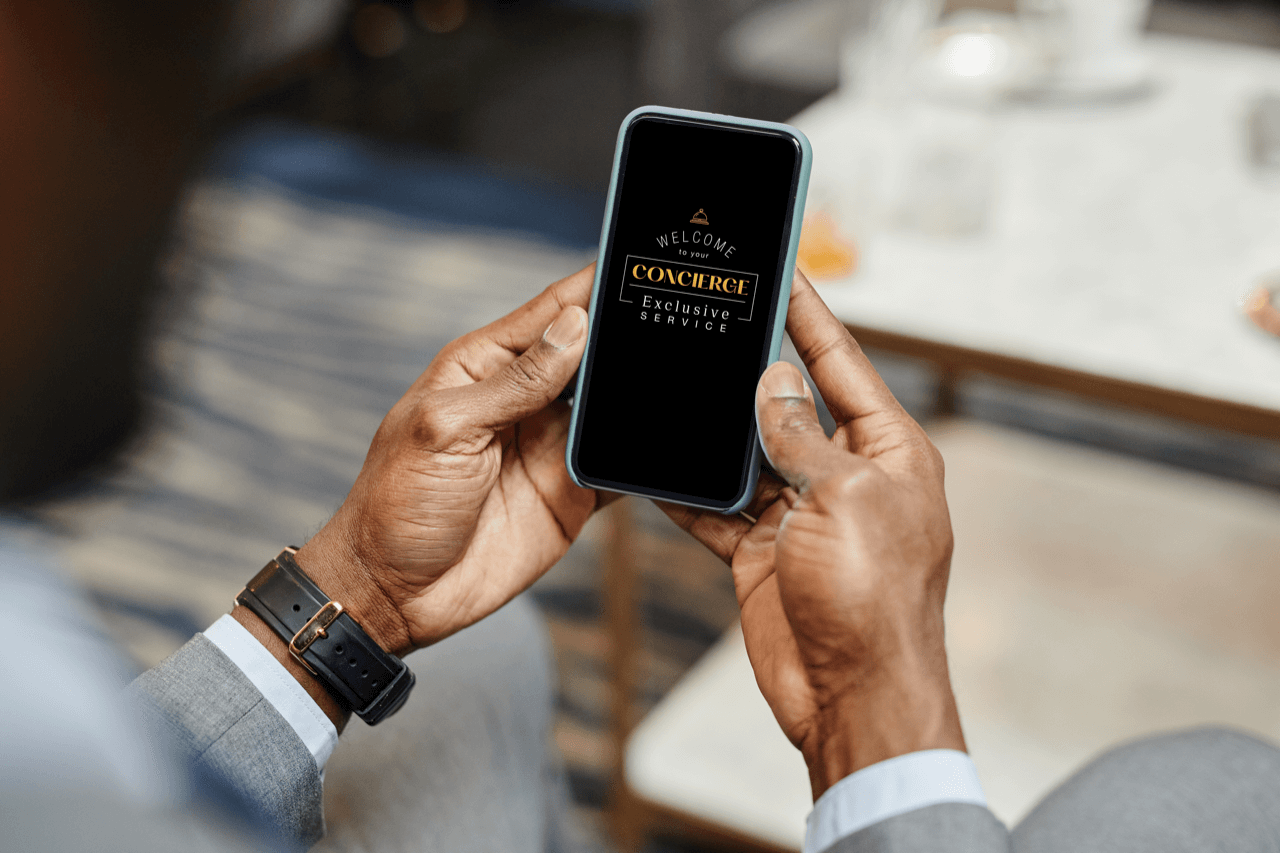
Most brands spend their entire marketing budget trying to reach consumers before the sale. Almost none of them have a systematic way to interact with those consumers after it. The product is in the consumer’s hands. The relationship has just begun. And then…silence. Smart products are what end that silence.
The Gap Nobody Is Closing
There is an uncomfortable asymmetry in how most brands allocate attention and budget. Pre-purchase engagement — awareness campaigns, influencer partnerships, performance advertising, retail floor presence — receives disproportionate investment because it is measurable, competitive, and directly tied to the transaction that everyone is optimising for. Post-purchase engagement receives the remainder: a confirmation email, a loyalty programme the consumer has to remember to open, and the hope that the product is good enough to bring them back on its own.
This asymmetry is not strategic — it is structural. Brands have always had limited tools for interacting with consumers after the product has been sold. Email requires the consumer to have opted in and to open a crowded inbox. A brand app requires download, setup, and the consumer to remember it exists. Social media requires the platform to show the content to the right people at the right moment. None of these are the consumer interacting with the product they already own and value. All of them are the brand trying to push its way back into a relationship that already exists, through channels that someone else controls.
The insight that reframes the problem: The consumer already has something from the brand in their hands — the product. That product is the most personal, most trusted, most relevant touchpoint between the brand and the consumer that will ever exist. Historically it has been mute. Smart products give it a voice — and the interaction that results is not the brand interrupting the consumer, but the consumer choosing to engage with an object they already love.
What Makes a Product "Smart"
A smart product, in the context of post-purchase brand interaction, is a physical item that carries an embedded NFC chip linking it to a unique cloud-based identity. This is not a connected device in the Internet-of-Things sense — it requires no battery, no WiFi, no Bluetooth pairing. The chip is passive and invisible. It does nothing until a consumer holds their smartphone near it, at which point the product identifies itself to the brand’s backend and delivers a branded experience in the consumer’s browser — in under three seconds, with no app download required.
The “smart” in smart product is not about computational capability in the object itself. It is about what the object becomes capable of when its unique identity meets the brand’s intelligence platform. A handbag with an NFC chip is the same handbag it always was in the consumer’s hands. But every time that consumer brings their phone near it, the brand knows which bag this is, who owns it, how long they have owned it, how often they interact with it, and what the brand knows about this specific owner’s relationship with the product and the brand. That knowledge is what turns the product into a relationship infrastructure.
The practical reality for the consumer: The consumer does not need to know that any of this is happening at the infrastructure level. They tap because they want to see if the bottle is genuine, or to access care instructions, or because they noticed the small icon on the label and were curious. The experience they receive should feel entirely natural — the product telling them something relevant, without friction, without an account login, without a three-step process. The sophistication is invisible. The value is immediate.
Six Post-Purchase Interactions That Smart Products Enable
The range of what a brand can deliver through a product tap extends across the entire post-purchase relationship from the moment of unboxing through years of ownership and beyond. Each interaction type addresses a specific moment in the consumer’s relationship with the brand that was previously either handled expensively through other channels or not handled at all.
- The unboxing moment — ownership activation
First tap, first relationship The first tap of a new product is one of the most commercially loaded moments in the consumer relationship — the consumer is at peak engagement, holding something they just chose and paid for, with attention fully on the brand. Smart products turn this moment into an intentional brand interaction: authentication confirmed, provenance revealed, ownership registered, warranty activated. The consumer learns the product is genuinely what it claims to be and simultaneously begins a direct relationship with the brand that no retailer intermediated.What the consumer sees: “Your bottle of No.5 was created in Grasse in March 2026 using jasmine sourced from the same fields as the original 1921 formula. You are the first registered owner. Your warranty is now active.”
- Care, maintenance, and product guidance
The product as its own manual Care guidance delivered through the product itself is more contextually relevant than any printed insert, brand website, or email could be. The brand knows which specific product this is — not just the category, but the exact formulation, material, or construction — and can deliver guidance that is precisely applicable to this item rather than to a product range. For fashion, this means leather conditioning guidance specific to this bag’s material. For beauty, it means formulation-specific usage instructions. For wine, it means serving temperature and decanting guidance for this specific vintage. The product is the context. The guidance is exactly right.What the consumer sees: “Your lambskin bag is best cleaned with a dry microfibre cloth. Avoid moisture. Apply our leather conditioner every six months. Book a complimentary care consultation at your nearest boutique.”
- Loyalty and rewards tied to real behaviour
Loyalty earned through ownership, not just purchases Traditional loyalty programmes reward purchasing. Smart product loyalty programmes can reward the entire relationship — registering a product, tapping regularly, completing a product, bringing it in for service, participating in a take-back programme, verifying provenance before resale. Each of these interactions reflects a depth of engagement with the brand that a purchase transaction alone cannot capture, and each can generate loyalty value. A consumer who interacts with their product monthly is demonstrably more engaged than one who buys once and never taps — and the loyalty infrastructure can recognise and reward that difference in real time.What the consumer sees: “You’ve been using your serum for 60 days — your skin’s best investment yet. You’ve earned 200 loyalty points for consistent use. Ready to explore what comes next in your skincare routine?”
- Exclusive owner content and brand storytelling
Access that owning earns Owning a product is a credential. Smart products make that credential meaningful: content, experiences, and access that are only available to people who have tapped from a specific product in their possession. The artisan documentary that would be freely available on YouTube loses its cultural weight there but gains it when delivered to the person holding the bag that artisan made. The archive access, the designer interview, the production film — these are different objects when the person experiencing them is holding the thing they document. Smart products turn brand storytelling from content marketing into a privilege of ownership.What the consumer sees: “Because you own this watch, you have access to the documentary about the movement that powers it — including an interview with the watchmaker who assembled yours. Available only to registered owners.”
- After-sales services initiated from the product
Service that knows what it is servicing The most frustrating element of luxury and premium after-sales is the re-explanation problem: the consumer contacts a service centre and has to prove who they are, what they bought, where they bought it, and when — before the service interaction can even begin. A smart product eliminates this. The tap that initiates the service request already tells the brand’s systems which specific product this is, who the registered owner is, what the warranty status is, and what the product’s service history shows. The consumer’s first message to the service team is informed by the product’s complete record, not by whatever the consumer can remember or retrieve from an old email.What the consumer sees: “Your bag’s care record shows it was last serviced in 2023. A new service appointment is recommended. Book directly below — your ownership details have been pre-filled. Estimated turnaround: 5 working days.”
- Resale support and new owner onboarding
The brand relationship that survives the handover When a consumer decides to sell a smart product, the brand becomes an active participant in the transaction without being asked. The seller taps to generate a verified provenance record that makes the listing more credible and the product more valuable. The buyer taps when they receive the item to confirm authenticity and register as the new owner. The brand has just acquired a new direct-channel consumer at zero cost — someone who chose a brand’s product in the secondary market is often a more considered buyer than someone who walked past it in a department store. The onboarding experience for that new owner is the beginning of another post-purchase relationship, built on the same infrastructure that served the first.What the new owner sees: “Welcome to the family. This bag was made in Florence in 2019 and has had one previous owner. Your ownership is now registered. Tap any time for care guidance, service, or to explore our new collection.”
Post-Purchase Interaction Across the Entire Product Lifecycle
What distinguishes smart product post-purchase interaction from any other engagement channel is that it does not expire. An email newsletter is only as relevant as the last send. A loyalty app is only as active as the consumer’s willingness to open it. A smart product chip is there for every interaction the consumer has with the object across months and years of ownership, and through every subsequent owner after them.
- Day one: Activation and ownership registration
First tap confirms authenticity, opens the brand relationship, and activates warranty. The consumer becomes a registered owner. The post-purchase journey begins on the strongest possible foundation — a direct, trusted, verified interaction with the brand.
- Weeks 1–6: Onboarding and early engagement
Care guidance, product-specific tips, loyalty activation, brand storytelling. The consumer learns to use the product well, hears its story, and builds a habitual relationship with the brand through repeated tap interactions that each deliver something relevant and earned.
- Months 2–12: Ongoing relationship deepening
Maintenance reminders, loyalty milestones, seasonal guidance, exclusive content. The brand knows the product’s age and the owner’s engagement history — interactions can be timed and personalised in ways no campaign calendar can replicate. A tap that happens at month six tells the brand the consumer is still actively using the product; a gap in tap activity is a signal worth acting on.
- Year 2+: Long-term loyalty and service integration
Service reminders, repair initiation, refurbishment offers, new collection discovery. Loyal long-term owners receive recognition that reflects the length of their relationship. The brand has insight into which products are most engaged with over long timescales — intelligence that directly informs product development and the allocation decisions for successor lines.
- Resale: Transition and new owner acquisition
Provenance verification, ownership transfer, new owner onboarding. Every resale is a moment where the brand’s infrastructure proves its value to both parties in the transaction — and a moment where a new consumer enters the brand’s direct-channel relationship at zero acquisition cost.
Three Principles of Post-Purchase Interaction That Actually Works
Not all post-purchase smart product experiences are equally effective. The interactions that build genuine relationships share three principles that distinguish them from experiences that generate tap volume without commercial depth.
- The interaction must be earned by ownership, not just available: Content, rewards, and access delivered through a smart product tap have a different quality from content available on a brand’s website — not because the content is necessarily different, but because the context makes it exclusive. A behind-the-scenes film is content anywhere; it is a privilege of ownership when delivered through the specific product it documents. The best post-purchase interactions are ones that could not exist without the consumer being in physical possession of the specific item. This is the design principle that transforms tapping from a feature into a habit.
- The experience must evolve with the product’s lifecycle, not stay static: A consumer who taps a product for the first time should receive a different experience from a consumer who has owned that product for eighteen months. A resale buyer tapping for the first time should receive a different experience from the original owner. The brand knows the product’s age, the ownership history, and the tap frequency — the interaction experience should reflect all of that. Static experiences — the same page regardless of who is tapping or when — waste the intelligence that the infrastructure creates and deliver less value with every subsequent tap.
- The brand must listen, not just speak: Post-purchase interaction through a smart product is not a one-way broadcast — it is a behavioral signal. The frequency with which a consumer taps their product tells the brand something about engagement depth. The geographic location of taps tells the brand something about usage context. The pattern of taps over time tells the brand something about the lifecycle of the product in that consumer’s hands. Brands that use smart product infrastructure only to deliver content are using a two-way channel as a megaphone. The ones that listen — that respond to behavioral signals with more relevant, timely, personalised interactions — are the ones that build the relationships that last.
What the Data Looks Like and What Brands Do With It
Each smart product tap is a behavioral data event. The individual event is simple: a chip identity, a timestamp, a location signal where consented, and a counter value. But across thousands of products and millions of interactions, the aggregate picture is something no other data source in the brand’s intelligence stack can generate.
- Engagement depth by product and formula: Which products are tapped most frequently, in which markets, and by what owner profile. High tap frequency is a proxy for high product integration in the consumer’s routine. Low frequency after an initial burst is an early abandonment signal.
- Geographic variation in consumer behaviour: How the same product is engaged with differently across markets — usage frequency, lifecycle stage at which taps peak, and seasonal engagement patterns that no sell-in data can reveal. Directly actionable for market-specific marketing and product development.
- Time-to-first-tap and activation rate: How quickly after purchase consumers first tap — a signal of brand engagement quality at point of sale. Products from channels where activation is fastest are channels where the brand’s story is being told most effectively.
- Resale pattern and second-owner acquisition rate: How frequently products are resold, in which categories, and how quickly second owners activate the smart product experience. The resale tap rate is a direct measure of how effectively the brand is acquiring new consumers through its existing product population.
- Loyalty interaction depth: How many consumers progress from authentication taps to service interactions to long-term loyalty engagement. The progression rate reveals where the post-purchase experience is working — and where consumers are dropping off before the relationship has fully formed.
- Grey market and counterfeit signals: Products generating tap events in territories outside their allocated market. Geographic scan anomalies that indicate diversion through unauthorised channels — detectable from the same interaction data that generates consumer intelligence, at no additional infrastructure cost.
Why this data is irreplaceable: Every other data source in a brand’s intelligence stack tells the brand something about what consumers did at the transaction point — what they bought, when, through which channel. Smart product tap data tells the brand what consumers do with the product after they have it. This is the data that closes the most consequential gap in consumer intelligence: what happens between “bought” and “bought again” — or “bought” and “never bought again.” That gap is where most consumer relationships are won or lost, and it has been invisible until now.
How Post-Purchase Smart Product Interaction Plays Out by Sector
- Luxury fashion and leather goods: The luxury handbag consumer taps at unboxing to confirm the bag is genuine and to hear its provenance story. She taps again six months later when the stitching needs attention — and the brand’s platform already knows which leather type she has and routes her directly to the right repair service. When she eventually resells the bag, the buyer taps to confirm its authenticity and three decades of verifiable ownership history. At every point, the brand is present — not through marketing push, but through an interaction the consumer initiated because the object is valuable to her.
- Premium spirits and fine wine: A collector of aged Scotch taps a bottle before opening it for a special occasion — authentication confirmed, cask origin revealed, recommended serving guidance delivered. A sommelier at a restaurant taps to verify the vintage for a guest who has asked whether the bottle is genuine. A fine wine investor taps before listing a bottle for sale, generating a verified provenance record that strengthens the listing and supports a higher price. In each case, the tap serves a different need — but the infrastructure is the same, and the brand receives the interaction data from all three.
- Beauty and personal care: A skincare consumer taps her serum after two weeks to check whether the product she bought through a discount platform is genuine — authentication confirms it is, and the brand delivers a personalised usage guide that increases her confidence in the routine. She taps again at week six after noticing a difference in her skin and wanting to understand what changed. At week twelve, when the bottle is nearly empty, a refill offer appears the moment she taps. The tap frequency across her ownership period tells the brand more about her engagement with the formulation than any survey or social listening tool could.
- Sneakers and limited editions: A buyer of a limited-edition release taps their pair immediately to confirm authenticity and register ownership — establishing their position in the verified ownership chain before any potential resale. A collector taps two years later when considering selling, generating a verified provenance record that supports a higher resale price and a faster sale. A buyer in the secondary market taps to confirm the pair is genuine before the transfer is finalised. The brand is present at every point in this lifecycle — not as an intermediary, but as the trust infrastructure that makes every transaction more valuable for everyone involved.
The Cost of Not Having This Capability
The case for smart product post-purchase interaction is usually made in terms of the value it creates — engagement, data, loyalty, resale intelligence. But it is also worth naming what the absence of this capability costs, because that cost is being paid right now, by brands that simply have not made it visible yet.
Every product a brand has sold without a smart identity is a missed post-purchase interaction. Every consumer who used a product, loved it, and repurchased it without the brand knowing anything about the intervening usage period is a relationship that exists in the consumer’s experience but is invisible to the brand. Every resale transaction involving a brand’s product — a market worth hundreds of billions globally for premium goods — that the brand has no visibility into is a consumer acquisition opportunity at zero cost that is simply not happening.
None of this is expressed as a loss in any financial statement. It is the cost of a capability that does not yet exist, which means it never appears as a budget line, a missed target, or a performance indicator. It is the invisible cost of the gap between what the consumer relationship could be and what it currently is — and the brands that close that gap first are the ones whose consumer intelligence, loyalty depth, and secondary market presence will compound in ways their competitors cannot easily replicate.
The compounding advantage: A brand that has been collecting smart product tap data for three years has something a brand deploying the infrastructure today cannot buy: three years of behavioral intelligence on how its products are actually used, in which markets, by which consumer profiles, across which lifecycle stages. That intelligence is baked into product development decisions, marketing allocation, and distribution strategy in ways that are invisible from the outside but structurally differentiate the brand’s performance. The best time to deploy smart product infrastructure is before this compounding advantage belongs entirely to someone else.
The relationship begins at sale. Make sure it continues.
Selinko’s smart product platform turns every item you sell into a direct post-purchase engagement channel from first tap to resale and beyond, with first-party data and brand intelligence built in.
Get in Touch