Back

Customer Engagement

How Connected Products Transform Customer Experience for Luxury Brands

Eugenia Vitali


16 Mar 2026

How Connected Products Transform Customer Experience for Luxury Brands

The tap of a phone on a handbag. The scan of a wine bottle at the dinner table. The touch of a watch case in a boutique. These are no longer just authentication moments, they are the beginning of a relationship. Connected products turn every luxury item into a live, intelligent channel between brand and customer. Here is what that actually looks like in practice.

What Is a Connected Product?

A connected product is a physical item:a handbag, a bottle of wine, a perfume, a watch, a garment embedded with a digital identifier that links it to a live cloud record. That identifier can be an NFC chip sewn into a lining, a secure QR code on the packaging, an RFID tag in a label, or a combination of all three.

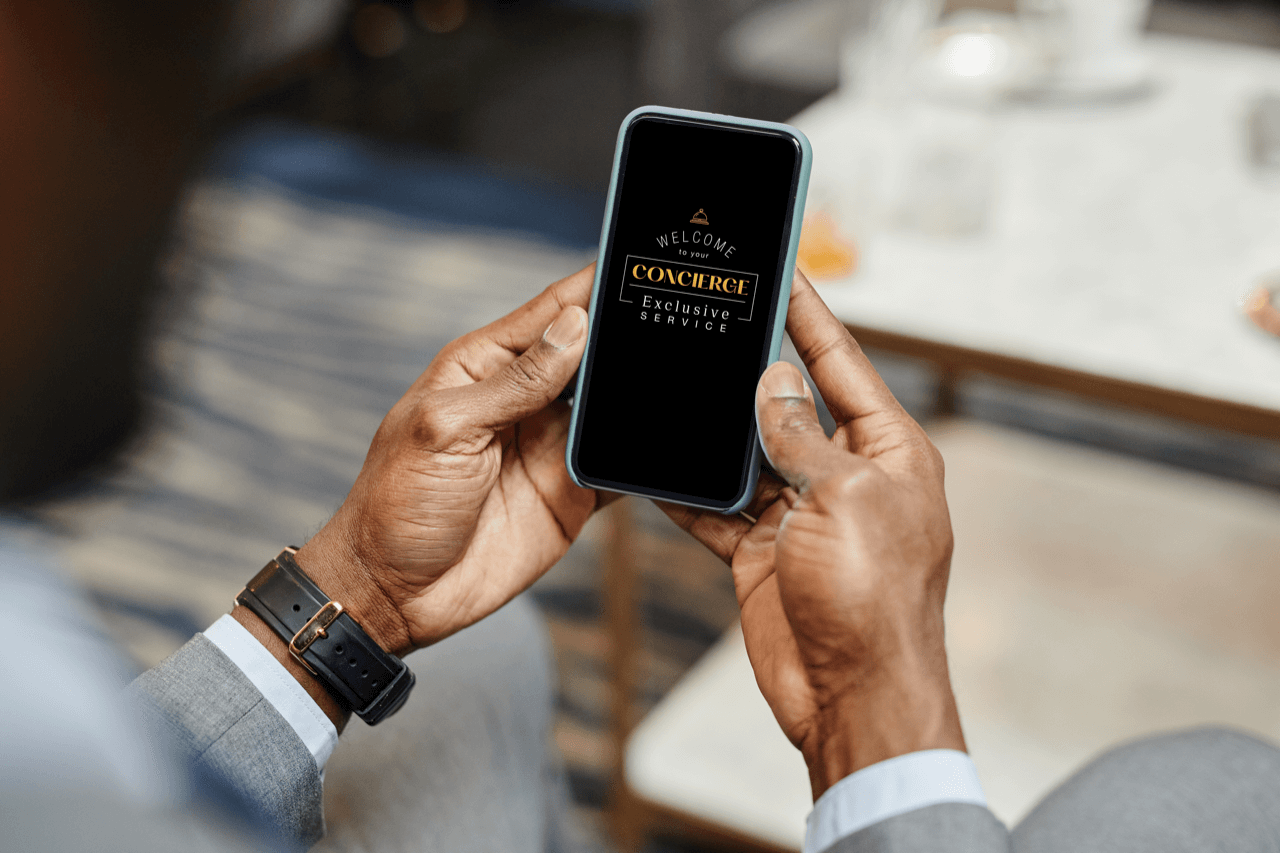
When a customer taps or scans, the product communicates. It can confirm authenticity, deliver personalised content, register ownership, unlock a warranty, open a world of brand storytelling — or all of the above in a single interaction that takes under three seconds and requires no app.

The shift luxury brands need to make: Stop thinking of the connected product tag as a security feature with a side effect of engagement. Start thinking of it as a customer experience channel that happens to also protect your brand. The product itself becomes the most direct, most personal communication medium you own and it is already in your customer’s hands.

The Post-Purchase Gap and Why Connected Products Close It

Most luxury brands invest heavily in the in-store experience: the environment, the service, the packaging ritual. But the moment a customer walks out the door, the relationship typically goes dark. The brand has no direct channel to that customer unless they opt into email marketing or download an app, both of which most people do not do.

Connected products change this entirely. Every time a customer interacts with their product – at home, at an event, in a resale transaction – the brand has the opportunity to be present in that moment. Not intrusively, but helpfully: with content that is relevant to that specific product, that specific customer, at that specific point in the ownership journey.

This is the post-purchase gap closed, not through a CRM campaign, but through the product itself.

12 Ways Luxury Brands Can Use Connected Products to Build Customer Relationships

The following use cases go well beyond authentication. They represent a new vocabulary for how luxury brands can communicate, serve, and delight their customers through the objects they already own.

1. The Unboxing Moment: The first tap is the most powerful. Before the customer has even used the product, a scan of the packaging can transform unboxing into an immersive brand moment delivering content that no printed insert can match.

  • Idea: A short film showing the artisan who made the piece, the atelier it came from, and the materials used, delivered the moment the box is opened.
  • Idea: A personalised welcome message from the brand, triggered by the first scan, that addresses the customer by name if they are a returning client.
  • Idea: An interactive certificate of authenticity with the product’s unique serial number, manufacturing date, and provenance story.

2. Product Storytelling & Heritage: Luxury products carry stories about craft, materials, history, and the people behind them. Connected products let those stories live inside the object itself, accessible to the customer whenever they choose to explore them.

  • Idea: A wine bottle that, when scanned, reveals the vineyard map, the vintage conditions that year, and a note from the winemaker unlocking a direct connection to provenance.
  • Idea: A watch that reveals its movement’s history, the inspiration behind the design, and the names of the watchmakers involved in its production.
  • Idea: A fashion piece that shows the journey of its materials: the cotton field, the weaving mill, the atelier, reinforcing both heritage and sustainability credentials simultaneously.

3. Ownership Registration & Warranty: Connected products make registration frictionless and therefore actually happen. When a scan is all it takes, customers register at rates many times higher than traditional paper card or website flows.

  • Idea: A single-tap ownership registration that automatically activates the warranty and sends a personalised confirmation. No forms, no email, no friction.
  • Idea: A dynamic warranty record tied to the product’s digital identity, accessible at any time by scanning so the customer always knows their coverage status without searching for paperwork.
  • Idea: A gifting flow where the recipient taps to register themselves as the new owner, automatically transferring the warranty and unlocking a personalised welcome from the brand.

4. Personalised After-Sale Content: Once ownership is registered, the connected product becomes a personalisation engine. Each scan can serve content tailored to who the customer is, what they own, and where they are in their relationship with the brand.

  • Idea: A styling guide delivered through the product specific to the item the customer owns, updated seasonally with new looks and pairings.
  • Idea: Care and maintenance instructions personalised to the product’s specific material, colour, and finish reducing product damage and increasing product longevity.
  • Idea: Exclusive content unlocked on key ownership anniversaries a message from the creative director on the one-year anniversary of the purchase, for example.

5. VIP Access & Loyalty Rewards: The product becomes a membership card unlocking experiences and privileges that are tied to ownership rather than a loyalty account number. This reinforces the value of the physical object itself.

  • Idea: Early access to new collections, private sale events, or limited editions accessible only by tapping an authenticated product.
  • Idea: Invitations to brand events, atelier visits, or private viewings triggered when the customer scans their product in a specific city where the brand is hosting an experience.
  • Idea: A loyalty tier upgrade that activates automatically when a customer scans multiple owned products rewarding multi-product ownership without requiring a separate programme enrollment.

6. After-Sale Service & Repair: Connected products make service seamless. The product already knows what it is, when it was made, and what it needs the customer simply taps to access the right service for the right item.

  • Idea: A direct book-a-repair flow triggered by scanning a damaged item pre-populated with the product’s details, materials, and nearest authorised service centre.
  • Idea: A service history record built into the product’s digital identity so every repair, cleaning, or restoration is logged and visible to both the brand and the owner.
  • Idea: Proactive care reminders sent via the product like a leather conditioner reminder triggered by seasonal changes, or a battery service alert for watches based on time since last service.

7. Resale Authentication & Ownership Transfer: The luxury resale market is now worth hundreds of billions globally. Connected products allow brands to be present in every secondary transaction protecting authenticity, maintaining relationships, and opening new revenue models.

  • Idea: A verified ownership transfer flow. The seller taps to initiate transfer, the buyer taps to confirm, and the brand’s record updates automatically. No paperwork, no third-party verification service needed.
  • Idea: A brand-certified pre-owned programme where resale authentication is powered by the product’s NFC identity allowing the brand to offer certified second-hand listings with full provenance records.
  • Idea: A welcome message to new owners in the secondary market. The first tap after a resale transaction triggers a personalised introduction from the brand, beginning a new customer relationship.

8. Sustainability Transparency & Digital Product Passport: Sustainability is no longer a values statement it is a verifiable claim. Connected products allow brands to prove their sustainability commitments at the product level, making transparency a genuine differentiator.

  • Idea: A full material passport accessible via scan showing the origin of each material, carbon footprint of the production run, certifications held, turning sustainability data into a premium feature.
  • Idea: End-of-life guidance delivered through the product showing recycling instructions, take-back programme enrolment, or upcycling options specific to that product’s materials.
  • Idea: EU Digital Product Passport compliance built natively into the connected product infrastructure so regulatory reporting is a by-product of the CX investment, not an additional cost.

9. Location-Aware Experiences: Each scan carries a location. That geography unlocks the ability to serve experiences relevant to where the customer is, connecting the product to the world around it.

  • Idea: A customer scans their perfume bottle in Paris and receives a map of the brand’s flagship store and an invitation to a current in-store event, using their own product as the entry point.
  • Idea: A wine bottle scanned at a restaurant triggers a food pairing guide tailored to the wine’s vintage and region, a service the sommelier would give, delivered through the product.
  • Idea: Travel-specific content delivered when a known customer scans their product in a new city and can access local brand history, nearby stockists, or region-specific heritage stories.

10. Limited Edition & Collector Experiences: For limited editions, collaborations, and collector pieces, connected products create an entire ecosystem of exclusivity that extends the product far beyond the physical object.

  • Idea: A limited edition product whose NFC chip unlocks a collector’s digital certificate — numbered, signed, and stored in the customer’s digital wallet — making provenance permanent and verifiable.
  • Idea: A collaboration piece that, when scanned, reveals an exclusive interview with the collaborating artist, behind-the-scenes content from the creative process, and a digital artwork companion piece.
  • Idea: A product drop where the NFC chip is only activated on the release date creating an anticipation moment where the product is in hand but the experience is not yet unlocked.
11. Gifting Experiences: Luxury products are frequently purchased as gifts but the brand has historically had no relationship with the recipient. Connected products change this: the gift carries the brand relationship inside it.
  • Idea: A digital gift message embedded in the product — the giver records a video or writes a personal note, and the recipient unlocks it with their first tap.
  • Idea: A gifting experience flow where the giver can pre-configure the product’s first scan — choosing which welcome content, which language, and which brand story plays when the recipient opens the box.
  • Idea: An automatic introduction to the brand for first-time recipients — turning a gift into a new customer acquisition moment without any advertising spend.
12. Community & Social Proof: Ownership is social. Connected products can activate brand community through the product itself — encouraging sharing, connection, and advocacy without relying on algorithmic social media reach.
  • Idea: A scan-to-share feature that generates a beautiful, brand-designed social card tied to the specific product and ownership moment — making sharing feel elevated, not promotional.
  • Idea: A community of verified owners, accessible only through product authentication — an exclusive space for collectors, enthusiasts, and loyalists that is defined by ownership.
  • Idea: A global map of where the same product model has been scanned — turning individual ownership into a sense of belonging to something larger, without compromising individual privacy.

The First Party Data Flywheel

Every connected product interaction generates a data event. Cumulatively, these events build the most valuable customer intelligence a luxury brand can own behavioral data tied to specific products, specific moments, and specific people.

Unlike third-party data sourced from platforms, or inferred data from browsing behaviour, connected product data is direct, consensual, and precise. It tells you not just who your customer is but how they live with your product.

  1. The customer taps: Location, time, device and frequency data is generated
  2. Identity linked: Ownership is registered, profile is built, preferences are estabslished
  3. Experience is personalised: Next insteraction served based on prior behaviour and product history
  4. Engagement deepens: Loyalty strengthens, resale authenticated, next purchase is informed

The compounding effect is significant: a brand with three years of connected product scan data has a behavioral intelligence layer that is genuinely difficult for competitors to replicate because it is built from real ownership moments, not modelled from demographic proxies

Connected Products Across the Full Ownership Journey

The most powerful connected product strategies do not treat the first scan as the only moment. They design a sequence of relevant interactions across the entire time a customer owns, and eventually resells or passes on, the product.

  • Purchase & Unboxing: Authenticity confirmed, ownership registered, brand story delivered, warranty activated. The first tap sets the tone for the entire relationship.

    NFC · QR · Ownership registration

  • Early Ownership (Weeks 1–12): Care guides, styling content, and VIP invitations delivered progressively building habit and deepening emotional connection with the product and brand.

    Personalised content · Loyalty activation

  • Ongoing Ownership: Service reminders, seasonal content, anniversary messages, event invitations, new collection previews. The product remains a live channel for as long as it is owned.

    After-sale service · CX touchpoints

  • Resale or Transfer: Ownership transferred digitally, provenance record maintained, new owner welcomed. The brand relationship continues, now with a new customer the brand has acquired for free.

    Resale authentication · New owner onboarding

  • End of Life: Recycling guidance, take-back programme enrolment, upcycling options. The brand is present even at the product’s final moment reinforcing sustainability credentials with action.

    Digital Product Passport · Circular economy

Customer Experience Ideas by Luxury Sector

The right connected product experience depends on category, the tap moment for a fragrance is different from the tap moment for a watch. Here is how the approach adapts across key luxury sectors.

Fashion & Leather Goods

  • Provenance story of leather and materials
  • Seasonal styling guides tied to the piece
  • Authentication for resale platforms
  • Repair and restoration booking
  • Limited edition collector certificates

Watches & Jewellery

  • Movement story and technical detail
  • Full service history on the wrist
  • Insurance and valuation support
  • Ownership verification for auction
  • Exclusive owner events and previews

Wine & Spirit

  • Vintage conditions and tasting notes
  • Winemaker / distiller video message
  • Food and occasion pairing guides
  • Cellar and investment tracking
  • Counterfeit detection at point of service

Cosmetics & Fragrance

  • Ingredient story and sourcing transparency
  • Application tutorials and routines
  • Expiry and authenticity validation
  • Personalised refill and repurchase reminders
  • Fragrance family exploration content

What Makes a Connected Product Experience Actually Work

Technology is the enabler but the quality of the connected product experience depends on strategic and creative decisions, not just the choice of chip. The following principles separate transformative programmes from forgettable ones.

  • Design for the tap moment first.
    What does a customer feel in the three seconds after they scan? If the answer is not immediately clear and valuable, the experience needs rethinking before the technology is deployed.
  • Personalise from scan one.
    A generic landing page is a missed opportunity. Use the product identity, the customer’s ownership history, and the scan location to serve something specific, not something broadcast.
  • Plan the full lifecycle, not just the first interaction.
    The most valuable connected product programmes map a sequence of touchpoints across months and years, not a single post-purchase landing page.
  • Make it frictionless.
    No app download, no account creation, no form before the value. The experience must begin the moment the customer taps, or they will not tap again.
  • Treat data as a responsibility, not just an asset.
    Connected product data is personal. Transparency about what is collected and how it is used builds trust and trust is the foundation of every luxury relationship.
  • Measure engagement, not just authentication.
    Track which content is consumed, which journeys are completed, which moments drive repurchase or service bookings. Connected products generate intelligence use it.

Turn Every Product Into a Customer Relationship Powerhouse

Selinko’s connected product platform helps luxury brands build post-purchase engagement, collect first-party data, and maintain relationships across the full ownership lifecycle, through the products themselves.

Get in Touch

Blog

Discover more articles

All our articles