The EU Digital Product Passport is not a single regulation with uniform requirements, it is a framework under which different sectors face different data obligations, different access architectures, and different compliance timelines. Batteries face a hard legal deadline in February 2027. Textiles and electronics follow. Understanding what each sector actually needs to deliver, and what the underlying infrastructure looks like, is the starting point for compliance that is also commercially valuable.
Overview:
- February 2027: Batteries
Hard legal deadline. Battery passport mandatory for EV, traction, LMT, and industrial batteries above 2 kWh. - 2027-2028: Textiles & Electronics
Priority sectors. Delegated acts in progress. Broad implementation expected in this window. - 2028 +: Other sectors
Metals, furniture, tyres, chemicals, construction. Rules phased via delegated acts.
What the EU Digital Product Passport Actually Is
The regulation’s stated goals frame what the data is for: supporting consumer transparency, enabling circularity at scale, facilitating regulatory compliance checks, and improving the quality of decisions made at end of life. The DPP is not designed as a labelling exercise, it is designed as an infrastructure intervention that makes product-level data a structural feature of every item placed on the EU market.
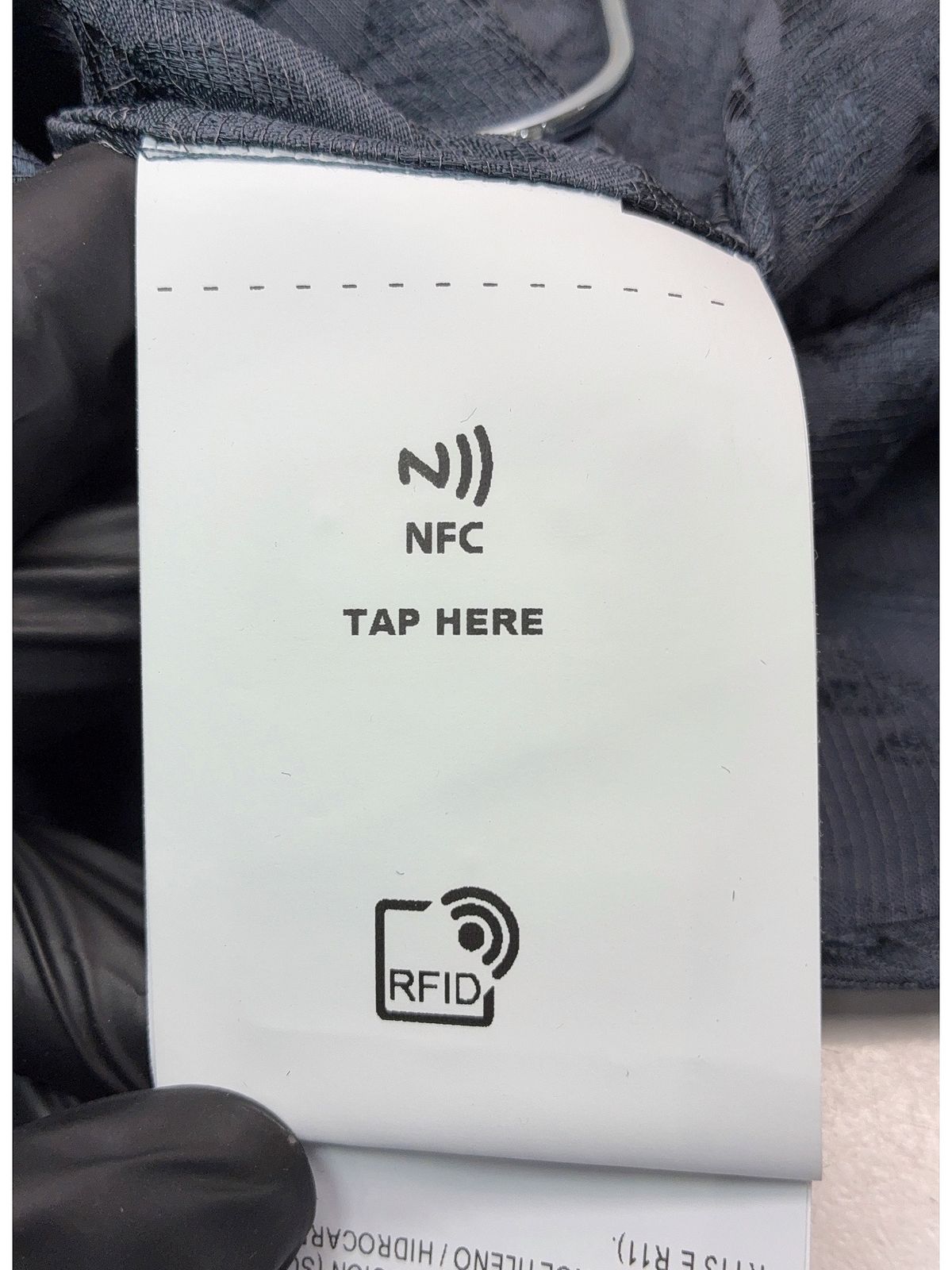
The infrastructure point that changes the commercial calculation: The hard part of DPP compliance is not affixing a QR code. It is collecting verified, product-level data across the supply chain and keeping it synchronised as products change. Companies that already have connected product infrastructure, NFC chips generating item-level identity records linked to supply chain data, are building DPP compliance capability as a by-product. Companies without it face building the same infrastructure under regulatory deadline pressure, without the commercial returns that justify the investment.
The Three Data Layers Required Across All Sectors
Despite the variation in sector-specific requirements, all EU Digital Product Passports share the same underlying data architecture. Every compliant DPP must deliver three distinct layers of information and the difficulty of compliance is almost entirely a function of how well a company can source, verify, and maintain each layer across its products.
- Product identity layer: A unique product identifier, ideally a globally resolvable identifier such as a GS1 GTIN or SGTIN at the item level, along with manufacturer or responsible operator details, product specifications, batch or lot reference, and the date of manufacture or placing on market. This layer establishes which specific product the DPP describes and who is responsible for its accuracy. For serialized deployments, the identifier is unique per unit; for some categories, a model-level identifier may suffice.
- Sustainability and compliance content layer: The sector-specific data that varies most between product categories: material composition, recycled content, chemical or substance information, environmental footprint metrics (carbon, water, energy), supplier or origin traceability, certifications and compliance documents, and regulatory declarations. This is where companies face the most data collection complexity because much of it must be sourced from upstream suppliers rather than generated internally, and because it must be verifiable rather than self-declared.
- Lifecycle and operational data layer: Repairability information, spare parts availability, care and maintenance instructions, disassembly guidance, end-of-life processing instructions, and where applicable current state of health or usage data. For some products, this layer is set at design and does not change. For others, such as batteries, it must be dynamically updated to reflect current condition. This is the layer that is most directly enabled by connected product infrastructure: a product with an NFC chip that logs lifecycle events can populate this layer continuously rather than through periodic manual data entry.
DPP Requirements by Sector
- Batteries
Mandatory from 18 February 2027
Batteries are the clearest and most urgent DPP case because the rules are already finalised and tied to a fixed date. From 18 February 2027, a digital battery passport is mandatory for electric vehicle batteries, traction batteries, light means of transport batteries, and industrial batteries above 2 kWh placed on the EU market including batteries installed inside products. This requirement flows from the EU Battery Regulation (2023/1542) rather than the ESPR, and the passport must be created through a certified platform. The battery passport is the most data-intensive DPP in any sector. It must be dynamically updatable, the state of health and charging cycle data change throughout the battery’s operational life, which makes it the only current DPP that inherently requires connected product infrastructure rather than a one-time data publication at manufacture. -
Textiles & Apparel
Priority sector (delegated act in progress, 2027-type implementation expected)
Textiles are among the first major consumer-goods sectors expected under ESPR DPP rules, driven by the EU’s strong policy agenda on material transparency, textile waste reduction, and circular design. The EU Strategy for Sustainable and Circular Textiles (2022) and the ESPR work plan both prioritise apparel and footwear for early delegated act adoption. For fashion and luxury brands already deploying NFC for consumer authentication and engagement, the textile DPP is the most strategically integrated compliance requirement in the entire DPP landscape, because the item-level NFC infrastructure that enables authentication already provides the data carrier and the product-level identity record that DPP compliance requires. The data collection challenge is real, but the delivery infrastructure is the same. -
Electronics & ICT
Priority sector (phased implementation from 2026 onward via delegated acts)
Electronics DPPs are expected to emphasise repairability, spare parts access, software update availability, disassembly guidance, and hazardous substance visibility reflecting the sector’s particular challenges around fast replacement cycles, complex component sourcing, and end-of-life waste. The Right to Repair directive (2024/1799) intersects directly with electronics DPP requirements, making repairability data especially prominent. A practical complexity for electronics manufacturers is that the DPP must remain current across model changes and component revisions. A product sold with a specific component that is later replaced in servicing needs its DPP updated to reflect the current configuration. This requires the DPP to be integrated with internal product lifecycle management and service record systems, not published once at manufacture and left static. -
Iron, Steel & Aluminium
Priority sector for early delegated acts phased and product-specific timing
For ferrous and non-ferrous metals, the DPP is less about consumer-facing repair guidance and more about upstream material traceability and industrial circularity. These sectors are key inputs to decarbonisation commitments across construction, automotive, and manufacturing and the DPP is designed to make recycled content, carbon intensity, and material origin verifiable across business-to-business supply chains, not just at retail. The primary data challenge for metals producers is demonstrating recycled content percentage and production-process carbon footprint in a way that is independently verifiable rather than self-declared a challenge that connects directly to the EU’s Carbon Border Adjustment Mechanism (CBAM) reporting requirements, creating regulatory synergies for companies that invest in both simultaneously. -
Furniture, Tyres, Chemicals & Others
Under ESPR work plan 2025–2030 (delegated acts in development)
Furniture and mattresses, tyres, detergents, paints, lubricants, chemicals, and construction materials are all identified as priority sectors in the ESPR 2025–2030 work plan. Final legal data fields are not yet fixed for most of these categories but the direction is consistent with the broader DPP pattern: durability and repairability data, material composition, environmental footprint, safe substance information, and end-of-life guidance. Companies in these sectors should treat current ESPR development as a preparation window, not a waiting period. For furniture and mattresses, the emphasis is on durability, reparability, and safe material content. Tyres focus on performance characteristics, durability, recycled rubber content, and retreading information. Chemicals, detergents, paints, and lubricants emphasise substance disclosure, hazard information, regulatory compliance (REACH, CLP), and usage and disposal instructions. Construction materials are expected to focus on composition, recycled content, structural performance, and disassembly and reuse potential.
Who Can Access What: The DPP's Tiered Data Architecture
One of the most important and frequently misunderstood aspects of DPP design is that not all data in a product passport is publicly visible. The ESPR framework explicitly provides for different access tiers — different actors see different subsets of the data, based on their role in the product’s lifecycle and the sensitivity of the information.
- Consumers & general public: Access to product identity, care instructions, composition summary, recyclability, and end-of-life guidance. The information that empowers purchasing decisions and appropriate product handling, no commercially sensitive supplier details.
- Supply chain partners: Authorised access to more detailed material and component data, supplier traceability records, compliance certificates, and technical specifications needed for repair, refurbishment, or remanufacturing operations.
- Regulators & enforcement: Full compliance data access for market surveillance purposes, including all declarations, testing records, substance information, and supply chain documentation required to verify regulatory compliance.
This tiered architecture requires the underlying technical infrastructure to support access-controlled data sharing, not just a URL pointing to a public webpage. The product’s identifier must resolve to a data record that returns different views of the same underlying data depending on who is querying it and with what credentials. This is one of the reasons DPP compliance cannot be satisfied by a static QR code leading to a PDF: the access logic, the data schema, and the query infrastructure all need to be built into the backend that the data carrier points to.
The practical infrastructure requirement: Companies building DPP compliance need a structured product data architecture that can pull from PLM, ERP, supplier, testing, and sustainability systems and then present different views of that data to different audiences through a controlled API layer. The QR code or NFC chip on the product is the access point. The hard work is ensuring that what it resolves to is accurate, current, and appropriately gated by actor type. This is why DPP compliance programmes are better understood as data architecture projects than as labelling projects.
What Companies Actually Need to Build for DPP Compliance
DPP compliance requires five interconnected infrastructure capabilities. Most companies have some of these in place already and face the task of connecting and extending them rather than building from scratch but the integration work is typically more complex than initial assessments suggest.
- Data sourcing
Verified product-level data from across the supply chain: Material composition data from tier-1 and tier-2 suppliers, environmental footprint figures from production systems, compliance certificates from test houses, and substance declarations from chemical suppliers. Much of this data currently exists in disconnected systems or paper records the DPP requires it to be digital, verified, and synchronised with the physical product identifie - Product identity
A unique, durable identifier per product unit or model: The physical data carrier, QR code or NFC chip, that links the product to its digital record. For serialized deployments (required for batteries, strongly advisable for textiles and electronics), this means a unique identifier per individual unit. For some categories, a model-level identifier may be sufficient. The identifier must be globally resolvable and durable enough to survive the product’s expected lifespan. - Digital record
A structured backend storing the DPP data schema: A cloud-hosted record for each product (or model) that stores all DPP data fields in a machine-readable schema, supports the three access tiers, and is queryable via a standardised interface. For sectors where lifecycle data must be dynamically updated, batteries, primarily, the backend must support write operations from authorised service partners, not just read access. - Data governance
Processes to keep data accurate as products and regulations change: DPP data is not set-and-forget. Component substitutions, reformulations, updated test results, new regulatory fields from revised delegated acts, and corrections to supplier declarations all require processes for updating the digital record and ensuring the updated data reaches all access tiers accurately. This is the ongoing operational cost of DPP compliance that most initial compliance cost estimates understate. - Access control
Role-based data visibility across consumer, partner, and regulator tiers: The API layer that determines which data fields are visible to which actor type, enforces authentication for partner and regulator access, and logs access events for audit purposes. This capability is typically the most technically complex to build correctly and the one most often underestimated in early compliance scoping exercises.
The common underestimate: Early DPP compliance scoping exercises frequently estimate effort based on the number of data fields required and conclude that the work is manageable. The actual complexity lies in data sourcing, getting verified, product-level material composition and footprint data from upstream suppliers who may have no existing digital data infrastructure and in data synchronisation, keeping that data current across a product portfolio that changes continuously. Companies that have invested in supplier data platforms and product lifecycle management systems have a significant head start; companies that have not face that investment on top of the DPP compliance effort itself.
Why Connected Product Infrastructure Is the DPP Compliance Advantage
For brands in textiles, luxury, premium spirits, cosmetics, and electronics that have already deployed or are deploying connected product infrastructure, NFC chips generating item-level identity records linked to brand intelligence platforms, the DPP compliance question looks materially different from brands starting from scratch. The infrastructure that enables authentication, grey market detection, and consumer engagement is architecturally identical to the infrastructure DPP compliance requires.
The NFC chip on the product is the data carrier the DPP mandates. The cloud record linked to that chip’s unique identity is the digital product record the DPP requires. The lifecycle events recorded in that cloud record manufacture origin, distribution checkpoints, consumer authentication interactions, service events, ownership transfers are precisely the lifecycle data that the DPP’s operational layer requires. And the tiered access model that determines what consumers see versus what regulators access is the same access architecture that a well-designed connected product platform already implements for brand protection versus consumer engagement data.
The additional work for connected product brands is primarily in the sustainability and compliance content layer: sourcing verified material composition data from suppliers, calculating or commissioning environmental footprint metrics, and integrating those data fields into the existing product identity record. This is not trivial work but it is significantly less than building the entire compliance infrastructure from the ground up while simultaneously meeting a regulatory deadline.
The timing argument: A brand deploying NFC authentication in 2026 for commercial reasons, authentication, grey market detection, consumer engagement, will have a functioning item-level product identity infrastructure with accumulated lifecycle data when the DPP delegated acts for their sector come into force. A brand waiting until the delegated act is adopted before beginning infrastructure deployment will be building under regulatory deadline pressure, without the commercial returns that would justify the same investment in the absence of the mandate. The infrastructure decision is the same either way. The timing determines whether it generates returns while it is being built.
DPP Compliance Through Infrastructure
Selinko’s connected product platform delivers the item-level identity, lifecycle data, and access-controlled digital record that the EU Digital Product Passport requires as a by-product of NFC authentication, grey market detection, and consumer engagement infrastructure already deployed across luxury, textiles, spirits, and beauty brands.
Get in Touch