Product traceability is one of the most used, and most misunderstood, terms in brand protection. It is not the same as authentication. It is not just supply chain visibility. And it is not simply a regulatory checkbox. Here is a clear explanation of what product traceability actually means, how it works in practice, and why it is becoming essential for luxury and premium brands in 2026.
- 5 lifycycle stages where traceability data is captured
- EU Digital Product Passport requirements are expanding
- Effective traceability must start operating at item level and not just batch
The Definition: What Product Traceability Means
“Product traceability is the ability to track and verify a product’s complete journey, from the origin of its raw materials through every stage of manufacturing, distribution, and ownership, at the level of the individual item, at any point in its lifecycle.”
Three words in that definition carry the most weight: complete, individual, and any point. Together they explain why most brands that believe they have product traceability actually have something much more limited.
Complete means the record covers the entire lifecycle, not just the supply chain, not just the point of sale, but from raw material origin through manufacture, distribution, first ownership, subsequent ownership transfers, service events, and end of life. A record that covers only part of the journey is partial traceability, not full traceability.
Individual means at the level of the single unit, not the batch, not the SKU, not the production run. Batch-level records can tell you that 10,000 units left a factory in October. They cannot tell you where unit 7,342 went, who bought it, or whether it appeared in a market it was never allocated to.
Any point means the record is accessible in real time, not reconstructed after the fact during an audit, but verifiable by a consumer, retailer, customs inspector, or brand team at the moment they need it.
The practical test: If you cannot tap a single product right now and see where it was made, every distribution step it took, who owns it, and whether it has ever been flagged as anomalous, you do not yet have full product traceability.
The Three Levels of Traceability and Why Most Brands Stop Too Early
Not all traceability systems are created equal. There are three distinct levels of implementation, and the protection and intelligence they deliver differ significantly. Many brands invest in lower levels and believe they have solved the problem until a grey market operation or a counterfeiting cluster surfaces that their system was never designed to detect.
- Batch-Level Traceability: One identifier per production run. Tracks that a group of products left a factory on a specific date. Cannot identify individual units, detect specific diversions, or verify single-item provenance. Still the most common approach in many industries.
- Item-Level Supply Chain Traceability: Unique identifiers per unit, tracked through distribution checkpoints. Identifies diversions and supply chain anomalies. Does not extend into consumer ownership, the record ends at the point of sale.
- Full Lifecycle Item Traceability: Unique identifiers per unit, tracked from manufacture through every ownership event, service interaction, and secondary market transaction. The record is permanent, consumer-accessible, and continuously updated. This is what “product traceability” means in full.
How Product Traceability Works in Practice
Full lifecycle item traceability is built on a single foundational decision made at manufacturing: assigning every unit a unique encrypted digital identity before it leaves the production facility. Everything that follows, every scan, every handover, every ownership event, is a new entry in that identity’s permanent record.
- Manufacturing & Serialization: Each unit receives a unique encrypted identifier, NFC chip, serialized QR code, or RFID tag, at the point of production. The cloud record is created with manufacturing origin, production date, batch reference, material certifications, and the product’s allocated distribution territory. This is the first and most important entry in the traceability record.
- Distribution & Supply Chain: As the product moves from manufacturer to regional warehouse to distributor to retailer, each handover can be recorded as a verified event. RFID enables bulk checkpoint scanning at logistics nodes. Geographic anomalies, a product appearing outside its allocated territory, are flagged automatically, surfacing grey market diversion routes before they scale.
- Point of Sale & First Ownership: The consumer taps or scans to verify authenticity and register ownership. This event closes the distribution record and opens the ownership record, linking the product’s digital identity to its first registered owner and generating the brand’s first direct consumer data point for that specific unit.
- Ongoing Ownership & Service: Every interaction with the product’s digital identity during the ownership period — care consultations, repair bookings, service completions, additional authentication checks — adds a new entry to the traceability record. The service history builds automatically, adding verifiable value at resale without requiring paperwork.
- Resale, Transfer & End of Life: Ownership transfers are recorded as verified events, providing secondary market buyers with a complete provenance record accessible by tap. At end of life, sustainability data supports circular economy reporting and Digital Product Passport compliance. The traceability record is never deleted: it grows with every event, for the life of the product.
The Technologies That Make Traceability Possible
Product traceability is enabled by a combination of physical identifiers and cloud infrastructure. No single technology covers the entire lifecycle, the most robust systems use multiple tools, each suited to a different point in the product’s journey.
- NFC (Near Field Communication): Encrypted chips embedded inside the product, invisible to consumers, extremely difficult to clone, generate a permanent unique identity accessible by smartphone tap. The consumer-facing traceability layer: ideal for luxury goods, cosmetics, and any product where invisible integration and a premium tap-to-verify experience are priorities.
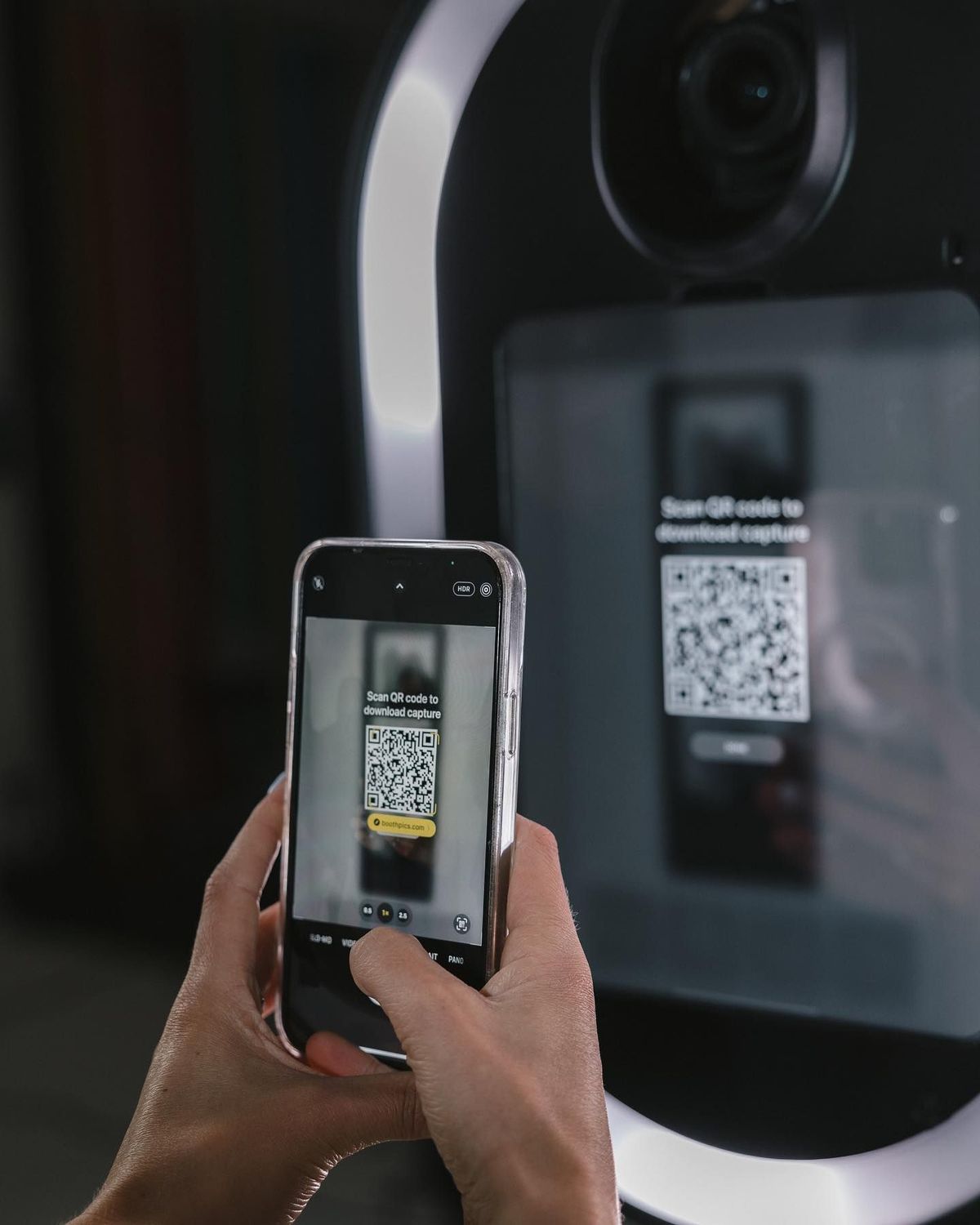
- Secure Dynamic QR Codes: Unique, server-validated codes applied to packaging or labels. Cost-effective at high volumes and universally scannable without specialist hardware. Each code is unique per unit and generates the same scan intelligence as NFC location, timestamp, frequency, making them a strong traceability tool for high-volume product lines where NFC integration is not practical.
- RFID: Radio frequency tags enable bulk, automated scanning at distribution checkpoints, pallets, containers, retail stock rooms, without individual item handling. The supply chain traceability layer: records product movements through authorised distribution automatically, detecting anomalies in the flow of inventory before products reach consumers.
- Blockchain & Secure Cloud Records: The record layer that stores and protects the traceability data generated by NFC, QR, and RFID events. Blockchain adds tamper-proof, third-party-verifiable permanence, particularly valuable where multiple supply chain partners need to contribute to and verify a shared record, or where regulatory audit trails require independently verifiable data.
Why Product Traceability Matters for Luxury and Premium Brands
Traceability is not a single-use tool. When implemented at item level across the full lifecycle, it simultaneously addresses brand protection, supply chain management, regulatory compliance, and consumer engagement, through the same infrastructure investment.
- Counterfeiting becomes systematically detectable.
Every genuine product with a traceable digital identity makes fakes identifiable by what they lack a valid, provenance-complete record. As traceability adoption grows within a category, the expectation of verifiable provenance raises the bar for what consumers and trade buyers will accept without verification. - Grey market diversion is visible for the first time.
Item-level serialization combined with geographic scan monitoring turns invisible diversion flows into mapped, evidence-backed routes. Brands see which distribution partners are leaking inventory, into which markets, and at what volume, enabling precise commercial and legal action.
- Resale value is protected and enhanced.
A product with a complete, verifiable provenance record, manufacture origin, ownership history, service events, commands a measurable premium in the secondary market over one that cannot be traced. Traceability infrastructure pays for itself partly through the resale value it supports. - Sustainability claims become verifiable, not just stated.
Traceability from raw material origin through production and distribution creates the evidence base that makes sustainability credentials provable, to consumers, to regulators, and to retail partners who increasingly require it as a condition of ranging. - EU Digital Product Passport compliance is built in.
The DPP requirements expanding across luxury, fashion, and electronics from 2026 onward are met automatically by the same infrastructure that delivers brand protection and traceability. Compliance becomes a by-product of the operational system rather than a separate cost and effort.
- Post-purchase consumer relationships are enabled.
Every scan event in the traceability record is a direct brand interaction, an opportunity to deliver personalised content, service, loyalty rewards, or resale support. The product becomes a permanent engagement channel that the brand owns, at no additional cost per interaction.
The strategic reality in 2026: Product traceability is moving from a competitive differentiator to a baseline expectation from regulators requiring Digital Product Passports, from resale platforms demanding provenance verification, from retail partners requesting supply chain transparency, and from consumers increasingly unwilling to accept brand claims without verifiable evidence. Brands that build the infrastructure now gain compounding intelligence advantages that later adopters cannot shortcut.
Build Traceability Into Every Product
Selinko’s platform delivers item-level traceability from manufacture to end-of-life — for luxury brands that need more than authentication.
Get in Touch
FAQs
How does traceability protect brands from grey market diversion?
By giving every single product unit a unique digital identity, brands can monitor where an item is scanned or authenticated. If a product intended for an authorized distributor in a specific region appears in an unauthorized market, the tracking data instantly pinpoints where the supply chain leak occurred.
What exactly is product traceability in modern supply chains?
Product traceability is the ability to track and trace the entire history, location, application, or journey of an item from its raw material origin through production, distribution, and final sale using unique identifiers like serialized codes, RFID, or NFC tags.
What are the main benefits of product traceability for regulatory compliance?
Traceability ensures brands meet stringent international standards for consumer safety, sustainability, and authenticity (such as Digital Product Passport mandates). It allows companies to provide accurate data logs regarding product origins, materials, and ethical sourcing instantly.
Blog
Discover more articles


Traceability & Supply Chain Transparency
Traceability & Supply Chain Transparency
Traceability & Supply Chain Transparency